

In this inspiring story, Michael Burgess, founder of Nerpy’s Inc., shares what he learned about turning a kitchen-table idea into a Canadian food brand. From starting small to finding a place on grocery shelves, his journey offers a behind-the-scenes look at building a food business in Canada.
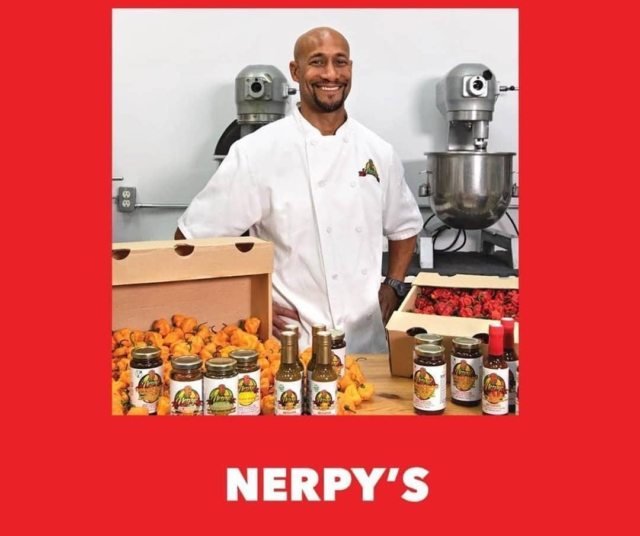
In 2008, during one of the worst economic downturns in recent memory, I did what a lot of people do when their circumstances shift: I went back to what I knew. For me, that meant a kitchen in Richmond Hill, Ontario, a bottle of scotch bonnet peppers, and a recipe I'd been nurturing in my head since growing up in Jamaica.
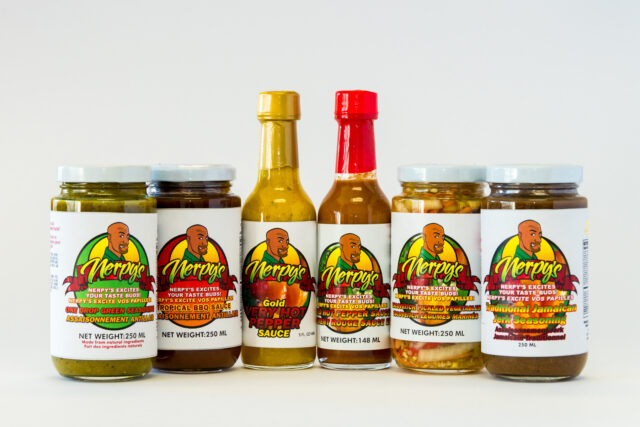
Nerpy's Inc. wasn't born out of a business plan. It came out of necessity, curiosity, and a deep belief that the food I grew up eating — bold, Caribbean, made with love and care — deserved a place on Canadian store shelves. More than fifteen years later, our sauces and seasonings are sold at Metro, Sobeys, and Farm Boy across Ontario. We hold the Ontario Made certification. We've been recognized twice among the Top 100 Canadian Black Businesses in the ByBlacks People's Choice Awards.
The road from that first batch to a retail listing is not a straight one. Here's what I wish someone had told me earlier.
1. Build Clean from the Beginning — It Will Open Doors Later
The phrase "clean label" gets thrown around a lot in the food industry, but what it actually means is simpler than it sounds: no MSG, no artificial colours, no preservatives the average person can't pronounce. We made that commitment before it was a selling point.
What I didn't fully appreciate at the time was how much that decision would matter when we started approaching retailers. Grocery buyers — especially at natural and specialty channels — look at your ingredient list before they look at almost anything else. A product that checks the clean-label boxes instantly reduces the friction in those early conversations.
Getting certified gluten-free was part of the same logic. It's a cost. It takes time. But it signals to buyers and consumers alike that you've done the work. And once you have that certification, you're not scrambling to get it when a retailer asks.
The practical takeaway: If you're at the recipe development stage, design for compliance now. Think about your target retailers and work backwards. The certifications you earn early become the credibility you carry into every pitch meeting.
2. Getting Into Grocery Is a Relationship, Not a Transaction
I spent time early on believing that if the product was good enough, the listings would follow. The product matters — but it's not the whole story.
Getting into a grocery chain is a long game. Buyers are managing hundreds of SKUs and fielding pitches constantly. What moves the needle isn't just a great sauce; it's showing up consistently, being professional, demonstrating that you understand the retailer's category, and that you can support the placement — through demos, through promotion, through availability.
Distributor relationships matter too. Understanding the difference between going directly to a retailer versus working through a distributor, and when each makes sense for your volume and capacity, is one of the most important early decisions a food brand can make.
We built our Ontario retail presence gradually — local stores first, then regional, building a track record of sell-through that made the next conversation easier. Each listing became the proof point for the next one.
The practical takeaway: Approach retailers like you're starting a relationship, not closing a deal. Know your numbers — margin, velocity, minimum order quantities. And be honest with yourself about what you can actually service before you say yes to a listing.
Certifications and Community Are Both Forms of Credibility
The Ontario Made certification, granted by Canadian Manufacturers & Exporters, opened doors I didn't expect. It's not just a sticker on a bottle. It signals local economic commitment to consumers who increasingly want to buy Canadian — and it's a point of differentiation in a crowded condiment category.
For a Black-owned brand, the community dimension has been equally important. Being recognized in the ByBlacks People's Choice Awards — in 2022 and again in 2023 — wasn't something we pursued as a marketing strategy. It came from being active in the Black Canadian business community, showing up, sharing the story. But the effect on brand trust is real, especially with consumers who are actively looking to support Black-owned businesses.
This is a piece of the brand-building conversation that doesn't get enough attention in mainstream food business content: community recognition builds credibility that advertising alone can't buy.
The practical takeaway: Look at the certification landscape relevant to your brand — not just food safety, but origin, community, and values-based programs. The right certifications become part of your identity, not just your packaging.
Your Online Presence Is Now Part of Your Sales Process
Buyers Google you. Consumers Google you. Before a bottle of Nerpy's ends up in someone's cart, there's a reasonable chance they've looked us up — our website, our social accounts, maybe a mention in a review or a media piece.
Building a consistent, credible online presence isn't separate from the business of making and selling food. It's part of the business. That means keeping your website current and accurate, being consistent on social media, and actively seeking out press, reviews, and third-party recognition that builds your brand's footprint beyond your own channels.
For a small food brand without a big marketing budget, earned media and community recognition do disproportionate work. A Toronto Life mention, a review on a specialty food site, a podcast appearance — these things compound over time.
The practical takeaway: Own your story and tell it consistently. You don't need to be everywhere online, but you need to be credible where you are.
One Last Thing
Building a food brand in Canada is harder than it looks from the outside. The regulatory environment, the retail landscape, the cost of production — none of it is small. But there is a real market for authentic, well-made products with a genuine story behind them.
Nerpy's started as a hot sauce recipe on a kitchen table in Richmond Hill. It still tastes the same as it did then — because that's the point. The business around it has grown. But the food is still the thing.
If you're at the beginning of that journey, I hope something here saves you a step.
Michael Burgess is the founder of Nerpy's Inc., a Richmond Hill, Ontario hot sauce and specialty food company making Caribbean-inspired sauces and seasonings since 2008. Nerpy's products are available at Metro, Sobeys, and Farm Boy across Ontario, and at nerpys.ca.
Follow Michael here: Website - Facebook - Instagram - You Tube
More Reading:
- Soy Sauce Eggs (Shoyu Tamago) | Food Bloggers of Canada
- The Summer Fresh Fresh Sauces Recipe Challenge – the results are in! | Food Bloggers of Canada
- Outdoor Living: Maple BBQ Wild Boar Ribs | Food Bloggers of Canada

You can unsubscribe any time!


Leave a Reply