

There’s something incredibly special about stepping away from your screen, leaving the city behind, and seeing firsthand where our food comes from. I joined the 2026 Saskatchewan Farm & Food Tour and came home with a deeper appreciation for the farmers, people, and stories behind the food we enjoy every day.
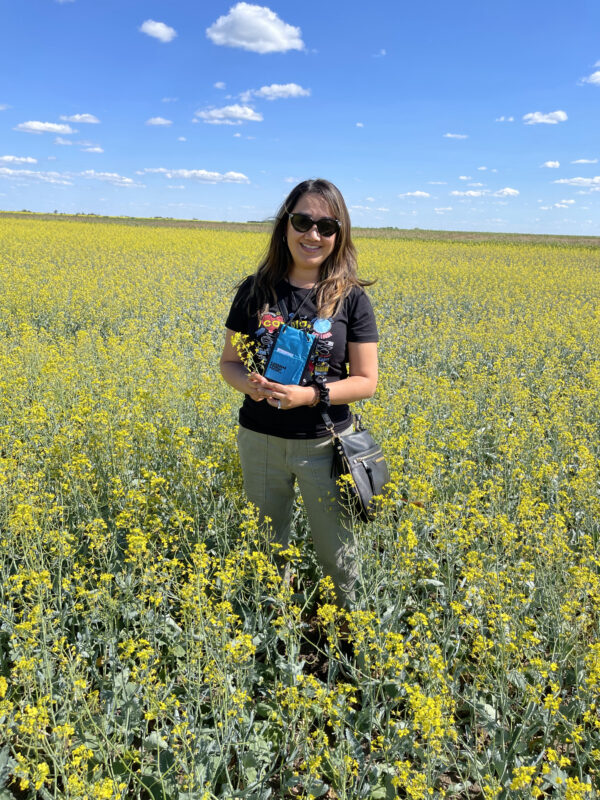
Earlier this summer, I had the privilege of joining the 2026 Canadian Food Focus Farm & Food Tour in Saskatchewan. Over several days, we met farmers, researchers, industry experts, and food advocates who generously opened their doors and shared their stories. While I expected to learn more about Canadian agriculture, what I didn’t expect was to come away with such a deep appreciation for the people behind our food system.
As food creators, we spend so much time talking about recipes, ingredients, and meals. This tour reminded me that every ingredient has a story, and every story begins with people who care deeply about what they do.
Learning About Sustainability from the Ground Up
One of the most important themes woven throughout the tour was sustainability.
We heard from Farm & Food Care Saskatchewan about the three pillars that guide modern agriculture: environmental responsibility, societal well-being, and economic sustainability. Farmers understand that caring for the land isn't optional—it's essential. Their livelihoods depend on healthy soil, clean water, thriving ecosystems, and the ability to pass their farms on to future generations. Techniques such as minimal-till farming help preserve soil structure and moisture while reducing erosion, allowing farmers to grow crops more efficiently and responsibly.
What struck me most was that sustainability wasn't treated as a buzzword. It was discussed as a daily commitment and a long-term responsibility.
A Day at Colborn Farms
One of our most memorable stops was Colborn Farms near Delisle, a sixth-generation family farm that has been operating for more than 100 years. The farm is uniquely structured, with different family members managing the grain, egg, and cattle operations.
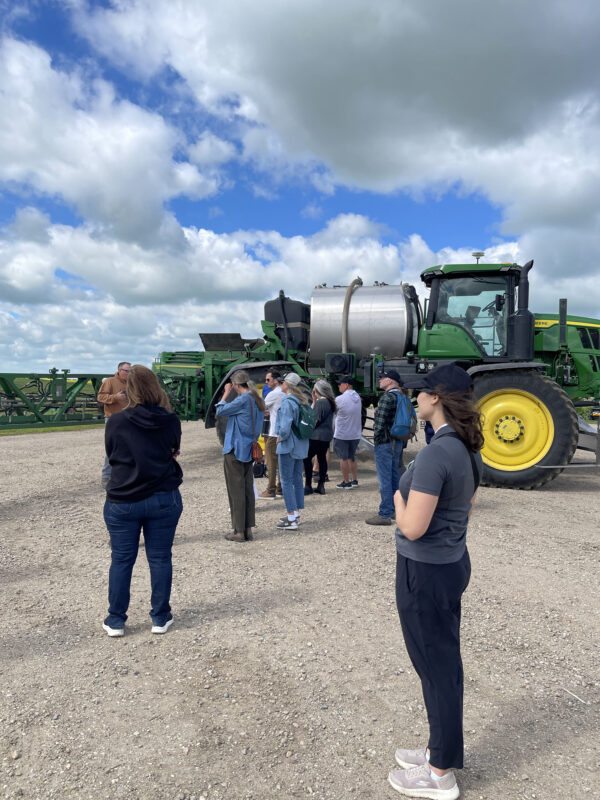
Walking through the farm, it was impossible not to notice the pride the family takes in their work. Farming isn't simply a business for them—it's a legacy. Every decision they make affects not only today's harvest but also the future of the farm and the generations that will follow.
Understanding the Role of Livestock
Another eye-opening part of the tour was learning more about beef production and cattle management.
Like many consumers, I had assumptions about livestock farming before this trip. Hearing directly from cattle producers and seeing their operations firsthand helped provide much-needed context. We learned how cattle can convert grasses and plant materials that humans can't digest into a valuable source of protein. We also learned about the important role cattle play in maintaining healthy ecosystems by returning organic matter and nutrients to the soil.
What stood out most was the emphasis on animal care. Healthy, well-cared-for animals are fundamental to successful farming. Farmers monitor their animals closely and invest significant time, resources, and expertise to ensure their well-being.
The same commitment to animal welfare was evident in discussions about chicken, pig, dairy, and egg production.
We learned that broiler chickens in Canada are not raised in cages but instead move freely throughout climate-controlled barns designed to protect them from disease, predators, and harsh weather. We also gained insight into the strict biosecurity measures used in pig farming, where visitors are often prohibited from entering barns to prevent the introduction of disease.
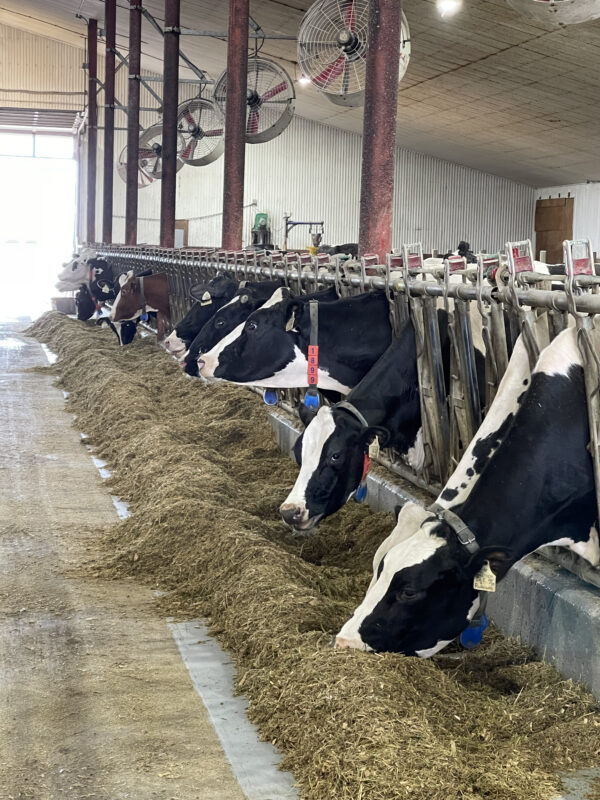
At a Saskatchewan dairy farm, we saw how robotic milking systems allow cows to be milked whenever they choose, while simultaneously collecting data that helps farmers monitor animal health and comfort.
Again and again, we saw examples of farmers embracing technology not to replace care, but to improve it.
Saskatchewan: Canada's Agricultural Powerhouse
The tour also highlighted Saskatchewan's incredible contribution to Canada's food supply.
We learned that Saskatchewan produces nearly half of Canada's wheat, grows approximately 80% of the country's durum wheat, and is the world's largest producer of canola.
I was particularly fascinated by Saskatchewan's pulse industry. Canada is the world's largest producer and exporter of lentils, and Saskatchewan grows about 95% of Canada's lentils. These crops play an important role in sustainable agriculture because they naturally add nitrogen back into the soil, helping improve soil fertility and reducing the need for additional inputs.
As someone who loves baking and cooking, it was incredible to see the scale, innovation, and science involved in producing ingredients that many of us use every day without a second thought.
Innovation for the Future
Another highlight was learning about the research being conducted through organizations such as the Global Institute for Food Security.
Researchers are studying plant and animal traits to improve disease resistance, drought tolerance, nutrition, and overall sustainability. They are also exploring new technologies that could help strengthen food security both in Canada and around the world.
It was encouraging to see how closely farmers, researchers, and industry organizations work together to continuously improve agricultural practices and address future challenges.
A Meaningful Visit to Wanuskewin
One of the most memorable cultural experiences of the trip was visiting Wanuskewin Heritage Park, a National Historic Site that showcases more than 6,000 years of Northern Plains Indigenous history and culture.
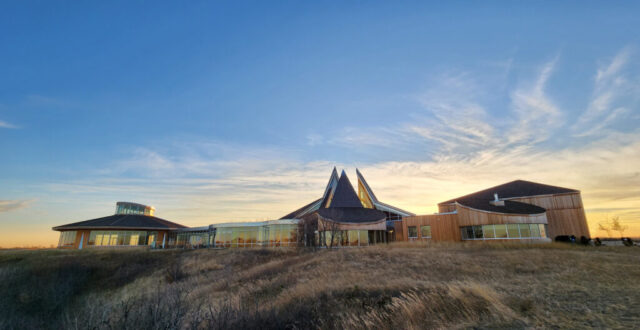
The park's name, which loosely translates to “being at peace with oneself,” felt particularly fitting. It was a powerful reminder that agriculture, food, culture, and stewardship of the land have been interconnected for thousands of years.
The People Behind the Food
If there is one thing I took away from this experience, it is that farmers care.
They care about the land because their future depends on it.
They care about their animals because healthy animals are essential to healthy farms.
They care about producing safe, nutritious food for Canadian families.
And they care deeply about leaving their farms better than they found them for the next generation.
The conversations we had throughout the tour challenged assumptions, answered questions, and provided valuable perspective. While agriculture is often discussed through headlines, statistics, and debates, spending time with the people who live it every day offers a much fuller picture.
Thank You
A heartfelt thank you to Canadian Food Focus, Farm & Food Care Saskatchewan, and every farmer, researcher, and industry leader who welcomed us throughout the tour.
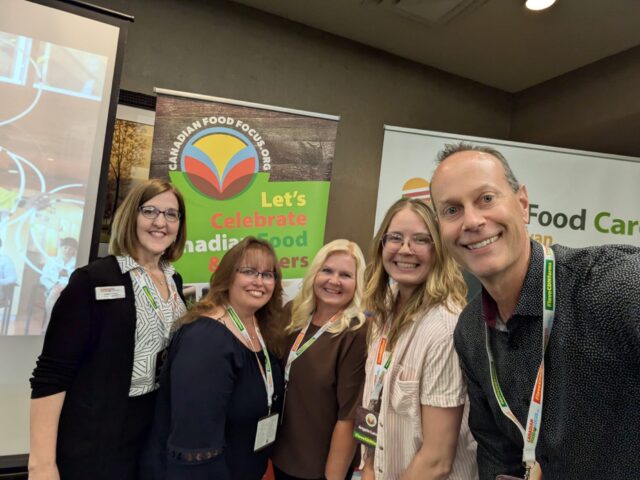
Your openness, generosity, and willingness to answer difficult questions made this experience truly meaningful. Thank you for taking the time to share your knowledge, your passion, and your stories.
Most of all, thank you for the care you put into producing food, caring for animals, protecting the environment, and helping Canadians better understand modern agriculture.
I left Saskatchewan with a greater appreciation for Canadian farming, a deeper understanding of where our food comes from, and tremendous respect for the people who make it all possible.
More Reading:
- Resto Roundup: Saskatoon’s Riversdale – Food Lover’s Paradise | Food Bloggers of Canada
- Recipe Roundup: Breakfast in Regina | Food Bloggers of Canada
- Over The Hill Orchards & Winery | Food Bloggers of Canada
- Canada’s Chefs: Garrett Thienes of Harvest Eatery and Fresh Market | Food Bloggers of Canada
- Blueberries vs. Saskatoon Berries | Food Bloggers of Canada
- From Farm to Fork: Understanding and Appreciating Where Our Food Comes from | Food Bloggers of Canada

You can unsubscribe any time!


Leave a Reply