

This article was written by Dr. Shyra Barberstock, who explores how Indigenous knowledge encourages us to see food and beverages not simply as products, but as part of a deeper relationship with the land, plants, water, and future generations.
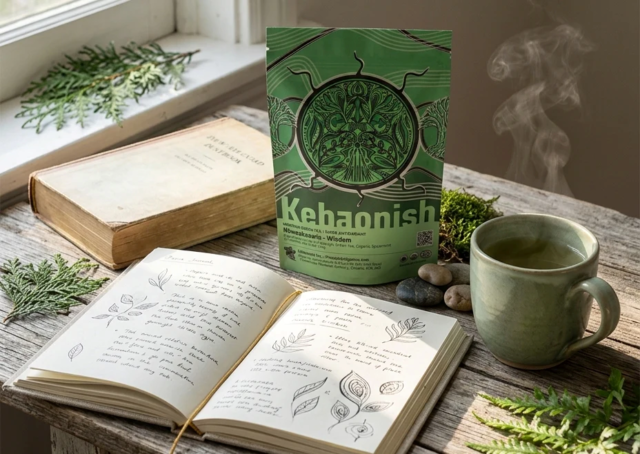
For many of us, choosing what we put in our kitchen cupboards is about more than flavour. We consciously look for organic certifications, seek out ethically sourced ingredients, pay attention to sustainable packaging, and dig for the story behind the food and beverages we consume.
These are important considerations. But what if we looked even deeper?
Indigenous knowledge and teachings invite us to think differently about our relationship with food and the natural world. Rather than viewing plants simply as ingredients or commodities, many Indigenous knowledge systems emphasize relationships between people, plants, land, water, and the generations that come after us.
When viewed through this lens, the journey from leaf to cup becomes about much more than the final brew.
Looking Beyond the Label
Organic and sustainably sourced certifications can tell us important things about how a product was grown, sourced, or traded. Yet a label can only tell us part of the story.
Across many Indigenous cultures and knowledge systems, plants are understood as part of a living and interconnected world. This perspective encourages us to consider not only what a plant provides for us, but also the relationships and natural systems that allow it to grow.
Think about the ingredients in a favourite tea blend. Where were they grown? Who cultivated or harvested them? What land and water sustained them? How far did they travel before reaching our kitchens?
Asking these questions can change the way we experience something as familiar as a cup of tea. Instead of seeing only the finished product, we begin to recognize the much larger journey behind it.

Honouring the Stories of Plants
Every ingredient has a story.
Within Indigenous traditions, knowledge about plants has often been carried through generations through teachings, stories, ceremonies, and relationships with the land. These traditions vary widely among Indigenous Peoples and communities, but many emphasize the responsibilities humans have to care for the natural world.
For those of us who cook, create recipes, write about food, or simply enjoy discovering new ingredients, there is value in becoming more curious about these stories.
Where does an ingredient originate? How has it traditionally been used? Who holds knowledge about it? Are we consuming and talking about it in ways that respect the people and cultures connected to it?
Learning more about the origins of what we eat and drink can help us become more thoughtful consumers and storytellers.
Respecting the Journey from Leaf to Cup
When we prepare a cup of tea, we rarely see the many steps that came before it.
A seed was planted or a plant was carefully tended. Soil provided nutrients. Water sustained its growth. Weather and changing seasons influenced the harvest. Leaves, flowers, roots, herbs, or spices were gathered before being processed, blended, packaged, transported, and eventually prepared in our homes.
Every ingredient carries a journey.
Indigenous perspectives on interconnectedness can encourage us to recognize the value of that entire process rather than focusing only on what arrives in our cup.
This way of thinking naturally creates space for gratitude. A cup of tea represents the work of people, the gifts of plants, and the natural systems that made its creation possible.
Recognizing Our Relationship with Land and Water
Many Indigenous worldviews emphasize that humans exist in relationship with the natural world rather than apart from it.
Land and water are not simply commodities to be used without consequence. They sustain life, and caring for them carries responsibilities that extend beyond our own lifetimes.
This perspective has particular relevance as consumers become increasingly interested in sustainable food systems.
For growers and producers, responsible cultivation can include protecting surrounding ecosystems, maintaining healthy soil, conserving water, supporting biodiversity, and considering the long-term impact of agricultural practices.
For consumers, it can mean asking better questions about where our food comes from and supporting businesses that are transparent about how their ingredients are grown and sourced.
Sustainability, through this lens, is not simply a trend or a marketing claim. It is about understanding that the health of our food systems depends on the health of the natural world.
The Human Element: Recognizing the People Behind Our Food
Behind every ingredient are people.
The farmers, growers, harvesters, processors, blenders, and producers involved in bringing food and beverages to our tables are an essential part of the story.
Traditional knowledge passed from one generation to the next can include a deep understanding of local ecosystems, seasonal cycles, weather patterns, and the needs of particular plants. This knowledge is developed through experience, observation, and long-standing relationships with the land.
When cultivation is viewed through the lens of stewardship, the question shifts from simply asking what the land can produce to considering our responsibility to care for the systems that sustain us.
It also reminds us to recognize the knowledge and labour behind what we consume.
A cup of tea may take only a few minutes to prepare, but its story began long before the kettle was turned on.
Becoming More Mindful Consumers
So how can we bring some of these ideas into our own kitchens and daily routines?
We can start by becoming curious.
Learn where your favourite teas and ingredients come from. Look beyond the front of the package and learn about the companies producing them. Seek out businesses that prioritize responsible sourcing and demonstrate respect for the land, their growers, and the communities connected to their ingredients.
We can also recognize that food has value beyond the price printed on a package. Its true cost includes the land and water required to produce it, the knowledge and labour involved in growing and preparing it, and the responsibility of ensuring those systems can continue for generations to come.
Most importantly, we can slow down enough to appreciate what is in front of us.
For food lovers, this curiosity is part of the joy of discovering new ingredients. The more we understand about where our food comes from, the richer our experience of it can become.
A Deeper Appreciation for Every Cup
In our fast-paced world, it’s easy to forget how much is represented in something as simple as a cup of tea.
There is the plant itself. The soil in which it grew. The water that sustained it. The people who tended and harvested it. The knowledge involved in its cultivation and preparation. The many hands that helped carry it from its place of origin to ours.
Certifications and labels can help us make more informed choices, but they are only part of the story.
Looking beyond the label invites us to recognize the relationships behind what we consume, learn from Indigenous approaches to stewardship and interconnectedness, and acknowledge the abundance provided by Mother Earth.
For those of us who love food, perhaps one of the most meaningful things we can do is remain curious about the stories behind it.
The next time you brew a cup of tea, take a moment to consider its journey.
From leaf to cup, every ingredient has a story. And when we take the time to understand that story, we may find there is even more to savour.
About the Author: Dr. Shyra Barberstock is an Anishinaabe entrepreneur, researcher, Certified Nutritional Practitioner, and business leader, and the Co-Founder and CEO of Kebaonish Inc., an Indigenous-owned, woman-led tea company based in Tyendinaga Mohawk Territory, Ontario. A graduate of the Institute of Holistic Nutrition, she is passionate about the connection between nutrition, wellness, and Indigenous knowledge. Through her work, she brings together Indigenous knowledge, sustainability, and wellness to create premium tea and coffee products that honour culture, community, and the natural world.
Follow Kebaonish on Instagram and Facebook
More Reading:
- Rachel Eyahpaise of Bannock Express | Food Bloggers of Canada
- Iconic Canadian Foods: The History of Bannock | Food Bloggers of Canada
- Canada’s Chefs: Shawn Adler of Pow Wow Cafe | Food Bloggers of Canada
- Canadian Tastemaker: Paul Natrall of Mr. Bannock | Food Bloggers of Canada

You can unsubscribe any time!


🍃☕ Beautifully written and truly inspiring! Thank you for sharing such meaningful insights into the deeper story behind every cup of tea and the importance of respecting Indigenous knowledge, sustainability, and our connection with nature. This article encourages readers to appreciate not just what we consume, but the people, land, and traditions behind it. Keep up the wonderful work, and please continue publishing more thoughtful and educational blogs like this! 🌿🙏
Blood test Hyderabad